
Lancaster Kitchen & Baths: Design and Remodeling Experts in Lancaster County
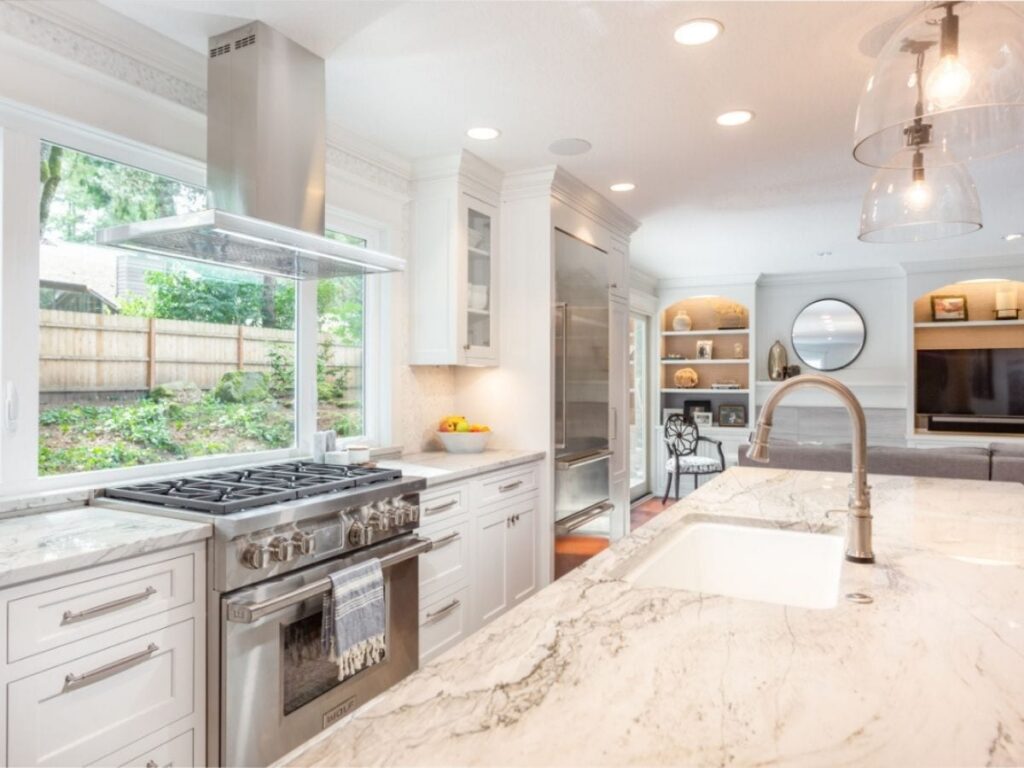
The American kitchen is undergoing one of its most significant design shifts in a decade, and Lancaster County homeowners are paying attention. New industry research reveals that renovating homeowners are moving away from the all-white aesthetic that dominated the past several years and instead embracing warmer materials, smarter layouts, and features designed to serve households across multiple generations. These are not passing fads driven by social media — they represent a fundamental rethinking of how kitchens function as the most heavily used room in the home.
The National Kitchen and Bath Association released its 2026 Kitchen Trends Report based on survey responses from more than 630 industry professionals including designers, manufacturers, remodelers, and architects across North America. The findings reveal that the kitchen’s role is expanding beyond meal preparation into a space that shapes the aesthetic and functionality of the entire home. Among the report’s most notable findings, transitional and timeless design leads all style preferences at 72 percent, followed by contemporary minimalism at 60 percent and organic natural styles at 58 percent. The research also confirms a significant generational divide in remodeling priorities, with Gen X homeowners driving the largest share of kitchen projects at 35 percent, baby boomers focused on accessibility improvements, and millennials seeking enhanced entertaining space.
For Lancaster County homeowners living in everything from century-old farmhouses to 1990s colonials, these trends carry practical implications. A kitchen designed around current priorities — functional storage, adaptable layouts, and materials that age gracefully — will serve a family’s needs far longer than one chasing a trend that peaks and fades within a few seasons.
Wood Cabinets Overtake White for the First Time
The most dramatic shift in the 2026 kitchen landscape is happening in cabinetry. After years of dominance, white cabinets have been overtaken by wood finishes. Nearly three in ten homeowners are now choosing wood-toned cabinets, a six-percentage-point jump from the prior year that pushed white into second place at 28 percent. Medium wood tones lead this movement, followed by light wood, signaling a broad preference for warmth and natural character over the crisp, clinical look that defined the previous decade.
This shift resonates particularly well with Lancaster County’s architectural character. The region’s farmhouse heritage, its connection to craftsmanship, and the prevalence of homes with existing wood trim and hardwood floors make natural wood cabinetry feel authentic rather than imposed. White oak has emerged as the most popular wood species nationally at 51 percent, offering a grain pattern and tone that bridges traditional and contemporary aesthetics. For homeowners who spent years painting over original wood elements in their Lancaster County homes, the industry’s embrace of natural wood finishes may feel like vindication.
The move toward wood also carries practical benefits in a tariff-affected market. Domestically produced wood cabinetry from American manufacturers faces less tariff exposure than imported alternatives, potentially offering better price stability through the remainder of 2026. Homeowners who choose wood finishes may also find that natural variations in grain and tone age more gracefully than painted surfaces, which tend to show chips, yellowing, and wear more visibly over time.
The move toward wood also aligns with a broader industry trend toward minimalism and clean lines. Flat slab-style cabinet doors are gaining popularity, with panel-faced appliances — refrigerators and dishwashers that blend seamlessly behind cabinet fronts — creating a streamlined, furniture-like appearance. The NKBA reports that 72 percent of professionals see panel-faced refrigeration as a growing trend, with 85 percent saying the same about panel-faced dishwashers.
With material costs shifting due to tariff pressures and evolving supply chains, understanding How New Tariffs Are Driving Up Kitchen Remodeling Costs for Lancaster County Homeowners helps families make cabinet selection decisions that balance design preferences with budget realities.
Aging in Place Enters the Mainstream
One of the most significant and practical trends emerging in 2026 kitchen design is the growing integration of aging-in-place features. This is no longer a niche concern reserved for seniors — it reflects how multigenerational households and long-term homeownership are reshaping design priorities across all age groups. The National Association of Home Builders reports that kitchen remodeling ranked as the second most common remodeling project in 2025, with more than 50 percent of professional remodelers rating it as common to very common. NAHB Chief Economist Robert Dietz has noted that demand for remodeling is being supported by an aging housing stock and increasing need for aging-in-place improvements.
In practical terms, aging-in-place kitchen design means wider walkways between counters, varied counter heights that accommodate seated users, lever-style hardware that is easier to grip, and pullout shelving that eliminates the need to reach deep into cabinets. These features improve daily functionality for everyone in the household, not just older adults. A parent holding a toddler benefits from lever handles just as much as a grandparent with arthritis.
Lancaster County’s demographics make this trend especially relevant. The county has a significant population of homeowners who purchased their homes decades ago, raised families in them, and now plan to remain rather than downsize. Designing a kitchen that works beautifully today and remains accessible twenty years from now is one of the smartest investments these homeowners can make.
The generational data from the NKBA report reinforces this point. Boomers, who represent 32 percent of kitchen remodel projects, are specifically seeking more accessible kitchens at a rate of 31 percent. But the trend extends beyond seniors — Gen X homeowners, who lead all generations in kitchen spending, are increasingly designing for multigenerational use as they simultaneously accommodate aging parents and active children. The convergence of these generational needs means aging-in-place design elements are becoming standard features rather than optional add-ons, embedded into mainstream kitchen design the same way energy-efficient appliances became standard a decade ago.
Storage, Lighting, and the Functional Kitchen
The 2026 kitchen is defined by intelligence — not the buzzy smart-home variety, but the practical kind that makes daily routines faster and more pleasant. Enhanced storage ranks as a top priority for 72 percent of industry professionals surveyed by the NKBA, with features like appliance garages, pull-out pantry systems, and toe-kick drawers turning previously wasted space into functional zones.
Lighting is another area where expectations have risen dramatically. A striking 95 percent of homeowners now prioritize natural lighting in their kitchen, with 93 percent valuing quality artificial lighting and 92 percent wanting dedicated task lighting for work zones. Under-cabinet lighting leads the list of specific requests at 82 percent, followed by interior cabinet lighting and pendant fixtures. The move beyond a single overhead light fixture toward layered, purposeful illumination reflects how seriously homeowners take the kitchen as a workspace.
Most kitchens are not getting physically larger — 68 percent of remodeled kitchens end up about the same size according to the Houzz 2026 Kitchen Trends Study — but they are getting smarter within their existing footprint. This is critical context for Lancaster County homes, where structural expansion often means navigating complex permitting, load-bearing walls, and older foundations. The good news is that skilled design can dramatically improve how a kitchen feels and functions without adding a single square foot.
Many homeowners are finding that reinvesting in their current home’s kitchen delivers better value than chasing a new property in a difficult housing market. Understanding Why Lancaster County Homeowners Are Remodeling Kitchens Instead of Moving in 2026 reveals the financial and lifestyle calculations driving this trend across the region.
Lancaster Kitchen & Baths: Your Partner in Kitchen Remodeling
Lancaster Kitchen & Baths brings NKBA certified design expertise to every kitchen project in Lancaster County. Our team stays current with the latest industry research and material innovations, ensuring your remodel reflects not just today’s trends but tomorrow’s functionality.
Our Services Include:
- Kitchen Remodeling — Complete design-build kitchen renovations from concept to completion, tailored to how your family actually lives
- LKB Home Center Showroom — A hands-on selection experience where you can see and touch the materials, finishes, and fixtures that will define your new kitchen
Ready to See What’s Possible? Contact Lancaster Kitchen & Baths to schedule your free design consultation and explore how 2026’s smartest kitchen trends can transform your Lancaster County home.
Works Cited
“NKBA | KBIS Releases Annual 2026 Kitchen Trends Report.” National Kitchen & Bath Association, 18 Sept. 2025, nkba.org/press/nkba-kbis-releases-annual-2026-kitchen-trends-report/. Accessed 17 Feb. 2026.
“Top 5 Remodeling Projects in 2025.” National Association of Home Builders, 3 Feb. 2026, www.nahb.org/blog/2026/02/top-remodel-projects-2025. Accessed 17 Feb. 2026.
Related Articles
- How New Tariffs Are Driving Up Kitchen Remodeling Costs for Lancaster County Homeowners
- Why Lancaster County Homeowners Are Remodeling Kitchens Instead of Moving in 2026