Lancaster Kitchens and Baths: Design-Build Kitchen and Bathroom Remodeling in Lancaster County
On December 31, 2025 — one day before it was scheduled to take effect — the White House cancelled the doubling of tariffs on imported kitchen cabinets and bathroom vanities. Proclamation 11000 amended the original September 2025 order, pushing the increase from 25 percent to 50 percent back a full year. The proclamation text published in the Federal Register cites ongoing trade negotiations as the rationale.
The reversal came fast enough that many homeowners never registered it. Eight months later, we still meet Lancaster County clients who have padded their cabinet budget for a 50 percent duty that does not exist — and others who quietly shelved a kitchen project for the same reason.
What Is Actually in Effect Right Now
The Section 232 duty on imported kitchen cabinets, bathroom vanities, and component parts is 25 percent. It has been since October 14, 2025. It applies to completed units and to parts imported for use in them, and it is scheduled to rise to 50 percent on January 1, 2027 — subject to the same negotiations that produced last year’s delay.
A separate 10 percent duty covers imported softwood timber and lumber. Domestically manufactured cabinetry carries no Section 232 exposure at all.
Why This Line Item Matters More Than the Others
Cabinetry is typically the largest single cost in a kitchen renovation, which means a duty on cabinets moves a total project budget in a way that a duty on, say, fasteners never could. The National Association of Home Builders’ analysis of tariff impacts notes that building material costs have risen roughly 40 percent since December 2020, far outpacing general inflation, and that more than 60 percent of builders surveyed reported cost increases attributable to tariffs.
NAHB also flags a further complication: following the Supreme Court’s February 20, 2026 ruling invalidating the use of emergency economic powers for tariffs, a new 10 percent global tariff was announced under a different statute — one that caps rates at 15 percent and expires after 150 days absent congressional action. The practical effect for homeowners is that the material cost environment is not stable enough to plan around a year in advance.
Three Decisions That Actually Move Your Number
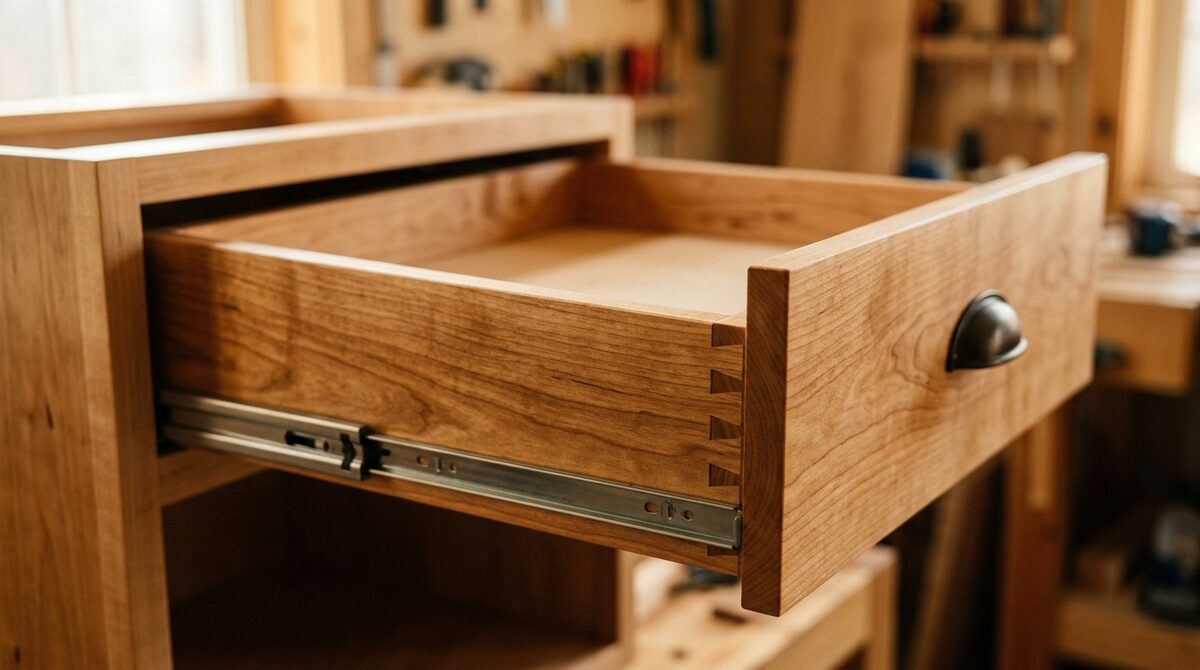
Sourcing. Domestic cabinet lines carry zero tariff exposure. That is not a marginal difference on a project where cabinetry runs 30 percent or more of the budget.
Timing. If the increase holds for January 1, 2027, orders placed and entered before that date price at the current rate. Cabinet lead times of eight to eighteen weeks make this a fall-2026 decision, not a December one.
Scope discipline. Broader material inflation, not the tariff alone, is what has moved project costs. This is the same pressure driving the national spending slowdown described in Remodeling Spending Is Stalling Nationally — But Lancaster County Isn’t Following the Script.
Bathrooms deserve a separate note. Vanities fall under the identical 25 percent duty, but bath projects carry proportionally less cabinetry, which is one reason bath renovations have held up better than full kitchen gut jobs — especially the accessibility-driven work covered in Pennsylvania’s Aging Population Is Rewriting Bathroom Design Standards.
Frequently Asked Questions
01Is the cabinet tariff 25 percent or 50 percent right now?
Twenty-five percent. The increase to 50 percent was scheduled for January 1, 2026, and was cancelled by proclamation on December 31, 2025 — one day before it would have taken effect. The current rate has been in place since October 14, 2025.
02Does the tariff apply to bathroom vanities too?
Yes. The Section 232 duty covers completed kitchen cabinets and bathroom vanities, plus parts imported for use in them. Bath projects generally feel it less than kitchens, simply because they involve far less cabinetry overall.
03Can I avoid the tariff entirely?
Domestically manufactured cabinetry carries no Section 232 exposure. That’s the single largest lever available on this line item, and it’s worth pricing domestic and imported options side by side rather than assuming imported product will come in cheaper.
04Will the 50 percent rate actually take effect on January 1, 2027?
Nobody can say with certainty. The delay was granted specifically to let trade negotiations continue, and the same rationale could produce another extension — or the increase could proceed as written. Tariff policy has also been volatile: a February 2026 Supreme Court ruling invalidated one legal basis for tariffs, prompting a replacement measure.
05If the increase does happen, does ordering early protect me?
Duties apply to goods entered for consumption on or after the effective date, so material clearing customs beforehand prices at the current rate. Given typical cabinet lead times, that makes autumn 2026 the practical decision window rather than December.
06What share of a kitchen budget is cabinetry?
Commonly around a third, though it swings with scope and finish level. That concentration is exactly why a duty on cabinets moves a total project number in a way a duty on smaller components never could — and why sourcing decisions matter more here than anywhere else in the project.
07Does the tariff apply to Canadian cabinets?
Section 232 duties on cabinets and vanities are not exempted by the USMCA trade agreement, so Canadian-origin product is not automatically outside the tariff. Country-of-origin determination is genuinely technical, which is why the practical question for homeowners is usually domestic versus imported rather than which specific country.
08Are appliances, countertops, and fixtures affected too?
Different tariff actions cover different categories — steel and aluminum carry their own Section 232 duties, and imported appliances have separate exposure. The compounding effect is the real issue: a full kitchen renovation touches several tariffed categories at once, so individually modest increases stack.
09Should I delay my project until tariffs settle down?
Waiting has its own cost. Material prices have trended up rather than down since 2020, labor rates continue climbing, and there’s no scheduled event that would clearly lower costs. Delay makes sense if your scope is genuinely optional; it rarely produces savings on work you’ll do eventually anyway.
10How do I get a quote that reflects current pricing?
Ask for an itemized estimate that separates cabinetry from labor and other materials, and confirm how long the pricing is held. Quotes more than a few months old may not reflect current material costs, and vague lump-sum bids make it impossible to see where tariff exposure actually sits.
Lancaster Kitchens and Baths
We source and install cabinetry for kitchen and bath projects across Lancaster County, and we can walk you through domestic versus imported options with current pricing.
Our Services Include:
- Kitchen Cabinets — Cabinet selection and professional installation
- Bathroom Vanities — Vanity design, sourcing, and installation
Want current pricing before rates change? Contact Lancaster Kitchens and Baths for a quote reflecting today’s material costs and lead times.
Works Cited
- “Amendments to Adjusting Imports of Timber, Lumber, and Their Derivative Products Into the United States.” Federal Register, vol. 91, 9 Jan. 2026, p. 1039, www.federalregister.gov/documents/2026/01/09/2026-00327/amendments-to-adjusting-imports-of-timber-lumber-and-their-derivative-products-into-the-united. Accessed 5 Aug. 2026.
- “How Tariffs Impact the Home Building Industry.” National Association of Home Builders, www.nahb.org/advocacy/top-priorities/building-materials-trade-policy/how-tariffs-impact-home-building. Accessed 5 Aug. 2026.